

Diamond Guide
Shop with Friends. Shop with Yelton.
At Yelton Fine Jewelers, we make shopping for fine jewelry fun, easy, and meaningful.
Our passion goes beyond beautiful pieces—we’re here to help you create memories that will last a lifetime.
When you shop with Yelton’s, you’ll leave with more than just a stunning diamond—you’ll leave with confidence, knowing you received exceptional quality at a great price.
Buying a diamond is a deeply personal experience. Whether it's a symbol of love, a celebration of achievement, or a milestone moment, we understand how much it matters. Unlike shopping for clothing, electronics, or even cars, a diamond’s true value isn’t always obvious at first glance. That’s where we come in.
At Yelton’s, we believe that the more you know, the more confident you’ll feel. That’s why we guide you through the 4Cs—cut, color, clarity, and carat weight—so you can truly appreciate what makes each diamond unique.
With two generations of expertise, strong industry relationships, and a passion for what we do, we make it easy for you to see—and choose—the best diamonds available.

The 4 C's of Diamonds

Cut
Light Performance
The diamond cutter’s artistry makes the best use of light and maximizes the diamond’s inner beauty, strength and visual size. Fire and sparkle are maximized with great cut, but when poorly cut, precious light escapes through the bottom facets leaving the diamond dull and ordinary.
Visual Size and Brightness Difference
There are many choices the cutter will make that will maximize the beauty of rough diamond crystals but many more that will ruin the diamond’s beauty in an attempt to make the diamond weigh more. Comparing two diamonds with the same carat weight, the artistically cut diamond will have BOTH superior beauty and larger visual size than the standard cut diamond which was cut just to weigh more for advertising purposes. Complex? Technically yes. But, in person you will find it rather simple to see the differences for yourself.

Color
Color is the natural body color visible in a diamond, ranging from colorless to yellow. The less color, the rarer and higher the price (except for natural fancy colors, like pink or intense yellow diamonds) Color is expressed in a single letter from D to Z. You should choose what you personally prefer.

Clarity
Clarity is an indication of a diamond’s purity. These “inclusions” are sometimes referred to as “birthmarks” because they are formed naturally and are unique to each diamond. Skilled diamond artisans (diamantaires) examine each rough stone to determine how to eliminate or reduce inclusions and flaws. The fewer, smaller, and less noticeable the inclusions, the more rare and higher the price of the diamond.

Carat Weight
The weight of a diamond is expressed in carats divided further into smaller units commonly referred to as points. A point is equal to .01 carat. A one carat diamond is made up of 100 points. The higher the carat weight category, the more rare and the greater the per-carat value. “The size of a diamond” is not really the carat weight. The visual size is how big the diamond looks and is heavily determined by the artistry of the diamond cutter. A poorly cut 1.00ct diamond can be smaller looking (and not as bright and lively) than a magnificently cut .80ct diamond!

Beyond The 4 C's
The Classic 4C’s, originally developed 100 years ago by DeBeers to simplify diamond quality for the inexperienced consumer are a great starting point. Unfortunately simplified, and common diamond buying advice based on them often misses the point. Here are some Insider Tips for choosing between standard diamonds and those with beauty that goes Beyond the 4C’s.

Beauty Begins with the Rough - Transparency
Virtually undocumented in the grading reports, the best rough diamonds have the finest transparency. Unless you have worked with rough diamonds or purchased diamonds from large parcels of hundreds of diamonds, you may not understand the differences. Experience like this keeps you from making a mistake with a diamond of lesser beauty.

Striving for Excellence in Cut
At Yeltons, we hold our diamond selection to a standard that goes far beyond the basics listed on a grading report. We believe true beauty lies in the details—details that aren’t always documented but make all the difference in brilliance, transparency, and long-term durability.
Each diamond is carefully examined for flawless polish, free from burns or surface imperfections. We also evaluate precision in every facet—the crown, pavilion, symmetry, and proportion—all of which contribute to both the diamond’s strength and its exceptional sparkle. For fancy shapes, we apply strict internal benchmarks to ensure they meet our aesthetic standards and deliver striking visual appeal.
A Heritage of Precision and Passion
For decades, Yeltons has believed that no single formula defines the perfect diamond. True beauty is found in the harmony of science, artistry, and craftsmanship. Each diamond’s brilliance results from the interplay of many fine elements, carefully brought together to create something truly extraordinary.

Hand Selected by the Yelton Family
With over 35 years of diamond expertise and long-standing relationships with some of the most respected and ethical diamond houses in the world, Yelton's is proud to offer an exceptional selection that few can match. Think of it like sourcing the finest ingredients from a world-class market—the broader and better the selection, the more likely you are to find something truly extraordinary.
Each diamond we bring in is personally selected and then meticulously reviewed by our in-house team of certified gemologists. We go beyond the 4Cs and look for the subtle qualities that give a diamond its true character and brilliance—a process known as “high-grading.” When we review dozens or even hundreds of stones with identical specs on paper, we narrow them down to the one or two that stand out in person.
We don’t rely on the grading report alone—because you deserve a diamond that’s as remarkable to the eye as it is on paper. And at Yeltons, we take the time to ensure you can see—and feel—the difference.

Responsibly Sourced
At Yeltons, we believe that ethical sourcing is not just a standard—it’s a responsibility. While the Kimberley Process sets the industry baseline, we proudly go far beyond those minimum requirements. The diamond suppliers we work with are carefully chosen for their commitment to integrity, transparency, and positive impact in the communities where they operate.
Our diamonds are sourced through partners who uphold the highest ethical and environmental standards, with a strong focus on fair labor practices, community development, and sustainability. From the mine to the final piece of jewelry, we prioritize traceability and accountability every step of the way.
When you purchase a diamond from Yeltons, you’re not only celebrating life’s most meaningful moments—you’re also supporting a chain of values that benefits people and the planet. It’s beauty you can believe in.

Shapes

Round Brilliant Diamonds
Of all diamond shapes, the most popular by far is the round diamond, which takes center stage in the classic engagement ring – a round, solitaire diamond set either in yellow gold or platinum. There are many different round brilliant diamond cuts, from Ideal Diamonds, with 58 facets, to modified cuts with special faceting arrangements and extra facets, like the Opus Masterwork Diamond.
Our diamonds are sourced through partners who uphold the highest ethical and environmental standards, with a strong focus on fair labor practices, community development, and sustainability. From the mine to the final piece of jewelry, we prioritize traceability and accountability every step of the way.
When you purchase a diamond from Yeltons, you’re not only celebrating life’s most meaningful moments—you’re also supporting a chain of values that benefits people and the planet. It’s beauty you can believe in.

Princess Diamonds
Princess cut diamonds are relatively new with a shape that is oblong, usually square or almost square, but with a modified brilliant cut arrangement of facets instead of a step cut. Most square or rectangular cuts just don't live up to the round brilliant for sparkle, but princess cut diamonds are designed for getting maximum brilliance from a square cut.
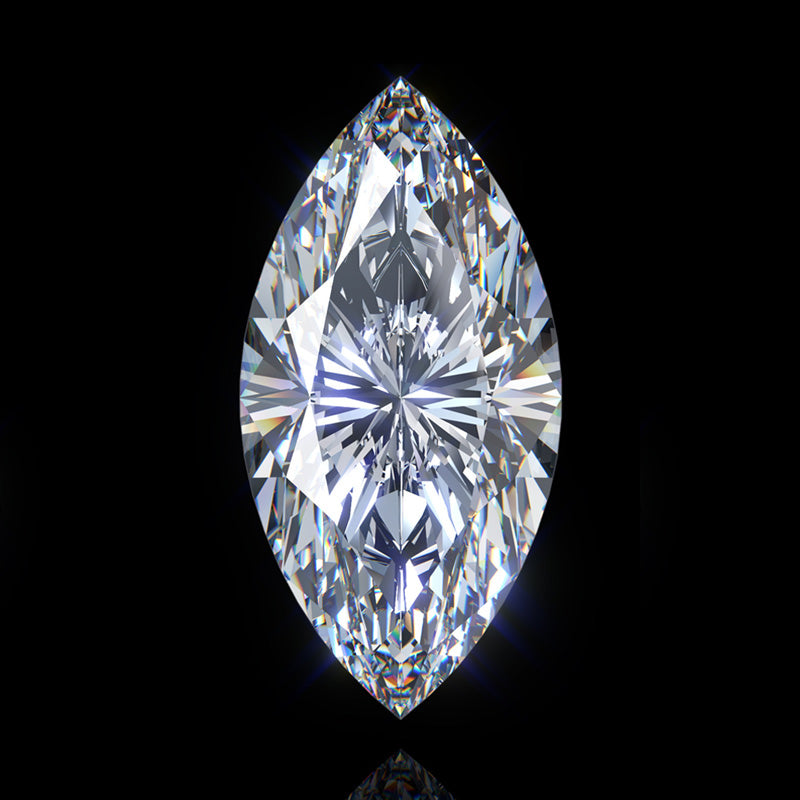
Marquise Diamonds
Marquise diamonds have an elongated shape with pointed ends supposedly inspired by the smile of the Marquise de Pompadour and commissioned by the Sun King, France's Louis XIV. It is often used as a solitaire or enhanced by smaller diamonds. Its long, ovate appearance lends a "big look" to a diamond engagement ring.
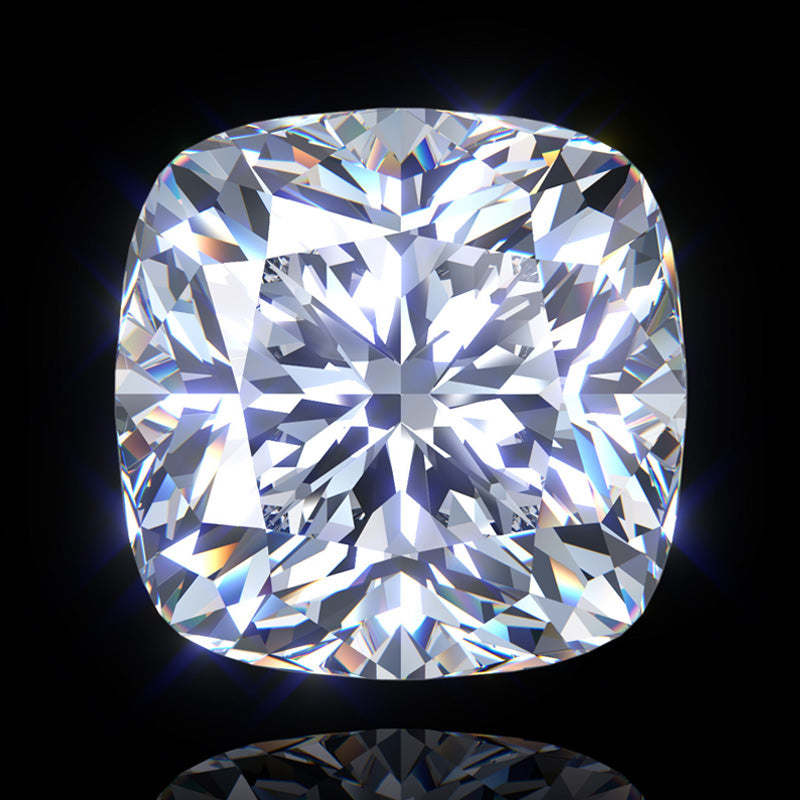
Cushion Diamonds
The cushion cut diamond is an antique style of cut. Sometimes referred to as a "pillow cut", the cushion cut has an open culet (the bottom of the diamond) and a rectangular to square shape with rounded corners. The beauty of a cushion cut is the depth of the diamond. In the past most quality cushion cut diamonds were found only on the antique and estate market, today cutters are once again cutting these stones.
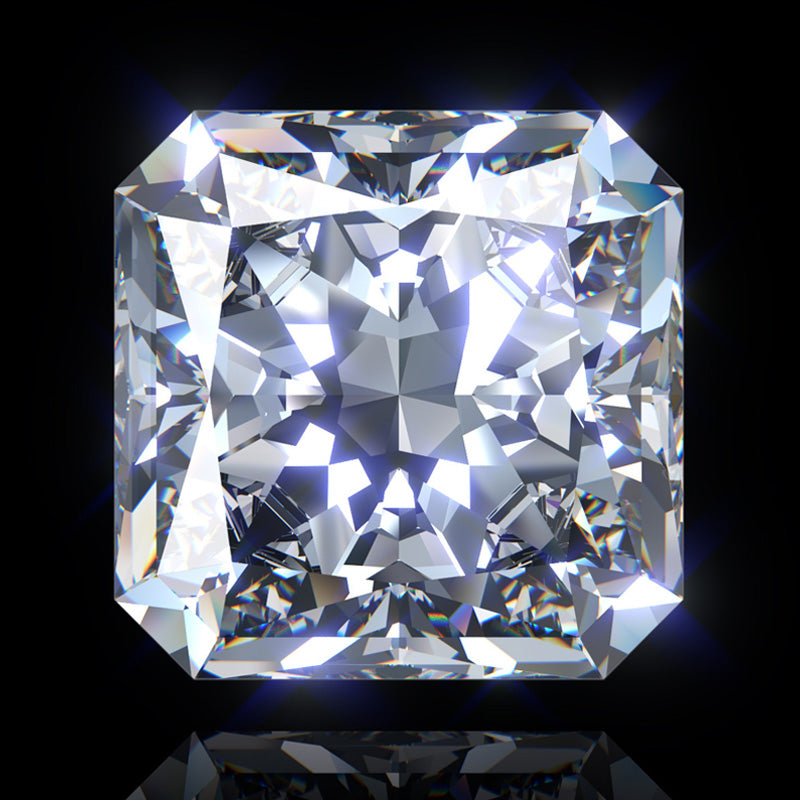
Radiant Diamonds
Radiant cut diamonds have a square or rectangular cut that combines the elegance of the emerald cut diamond with the brilliance of the round. Radiant cut diamonds have 70 facets to maximize the effect of its color refraction. Radiants look great accented with baguettes or round side stones.
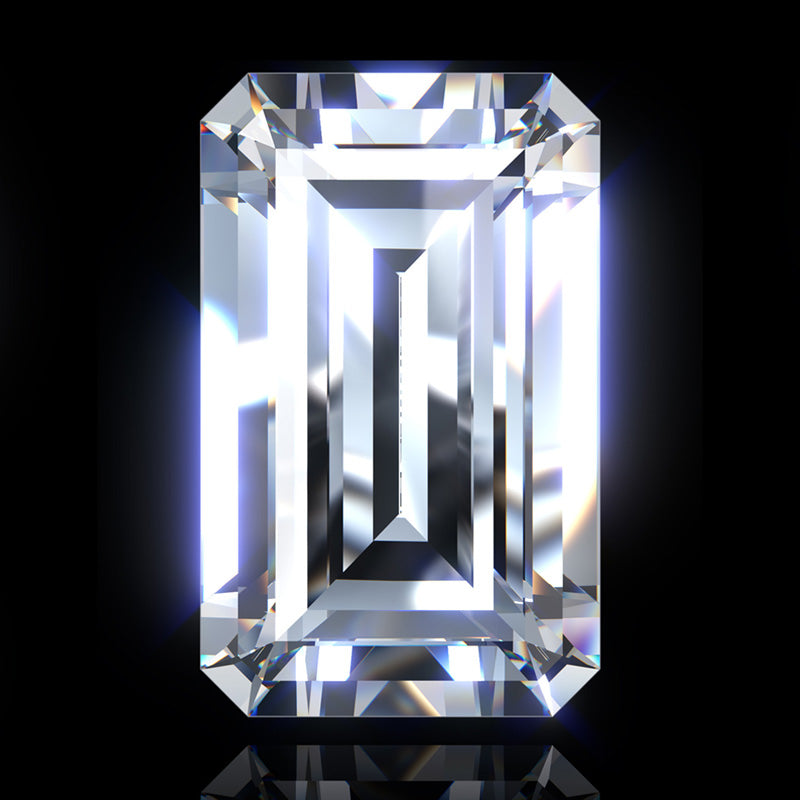
Emerald Diamonds
Emerald cut diamonds have a rectangular shape with cut corners. It is known as a "step cut" because its broad, flat planes resemble steps on a staircase. Inclusions and inferior color are more pronounced in emerald cut diamonds, so pay close attention to clarity and color grading.

Asscher Diamonds
Asscher cut diamonds were developed in 1902 by the Asscher Brothers of Holland. The Asscher cut is a stepped square cut, often called the "square emerald cut" and like an emerald cut, the Asscher cut has cropped corners. Asscher cut diamonds have gained in popularity recently.

Heart Diamonds
Heart shaped diamonds are basically a pear-shaped diamond with a cleft at the top. Heart shaped diamonds are sometimes considered romantic, but they can be difficult to cut. The skill of the cutter greatly determines the beauty of heart shaped diamonds.

Oval Diamonds
Created in the 1960's, the Oval Diamond is similar to a round except that it is elliptical in shape. The Oval Diamond usually has 56 facets. Oval diamonds give an even, perfectly symmetrical design popular among women with small hands or short fingers. Oval diamonds have an elongated shape which can make a woman's finger appear longer.
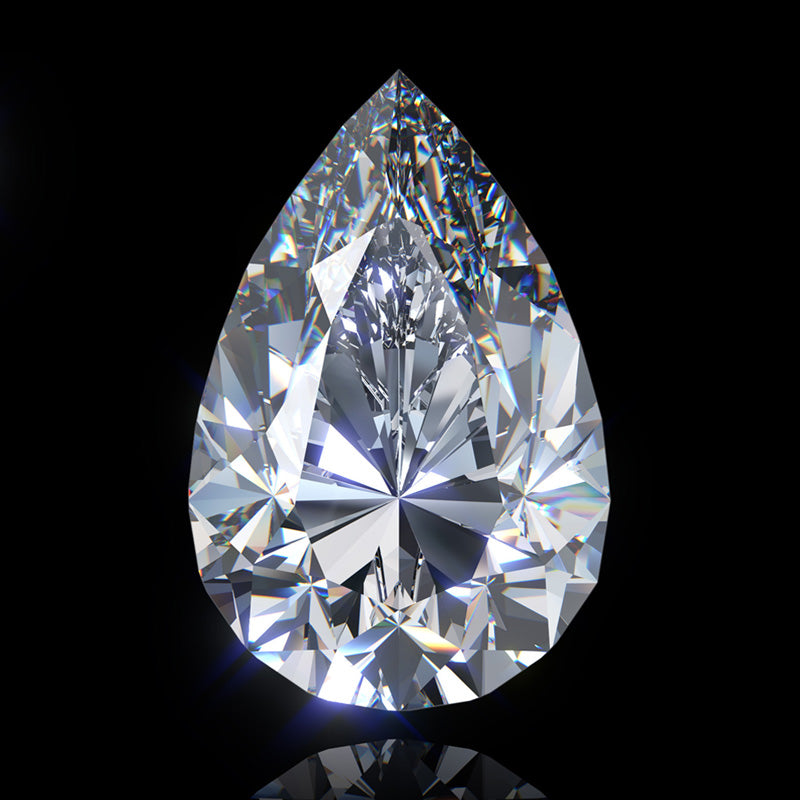
Pear Diamonds
The pear shaped cut often referred to as a teardrop shape is a combination of a round cut and a pointed marquise cut creating an elegant and unusual diamond. This shape is popular as a center in engagement rings, paired with another and offset in a ring and as a classic diamond drop pendant.
At Yeltons, we hold ourselves to a higher standard when it comes to the diamonds we choose to offer. While adhering to the Kimberley Process is a given, we believe true responsibility goes far beyond the basics. We work exclusively with suppliers who are deeply committed to ethical practices that uplift the communities where their diamonds originate.
We take pride in sourcing diamonds from partners who maintain complete transparency and accountability throughout their supply chains. Many of our diamonds come from trusted diamantaires who uphold strict ethical standards, ensuring that your purchase not only supports local business but also contributes to sustainable growth and responsible practices around the globe.
When you choose Yeltons, you’re not just buying a beautiful piece of jewelry — you’re investing in integrity, craftsmanship, and a better future.

Diamond FAQs
While looking at diamonds on a website will help you get started on your diamond search, it may not be the ideal way to purchase your sparkler. The real beauty of a diamond is tangible and you can’t possibly see its true brilliance on a computer screen. When you shop and compare diamonds in person, you can truly evaluate its beauty and which diamond you like best.
Not necessarily. There is definitely a wow factor to a large diamond, but if it lacks quality it won’t be very impressive. Many factors determine how magnificent a diamond appears regardless of size. When combined, these characteristics set the cost of the diamond.
Natural diamond formation occurs in nature, deep in the earth, formed under extreme heat and pressure over billions of years. Diamonds are then carried to the earth’s surface by volcanic forces and activity. Each one is unique and a rare and enduring gift of nature.
Absolutely! An independent grading certificate from a top lab like GIA (Gemological Institute of America) will guarantee the quality of your diamond. This will also ensure you get the proper grading for your diamond. Be aware of diamond certificates from labs you have never heard of. Sometimes they are really not independent laboratories or accurate.
No. You (or the one you love) won’t be wearing a grading report from a gemological laboratory on your finger or neck. You’ll be wearing the diamond you purchase.
Considering a diamond’s grading is a very important step when buying diamonds and a clear indicator of the diamond’s quality and value. It is a critical part of the information you gather when choosing a diamond.
However, grading is best used as a guideline rather than a reason for making the final decision. Many times you’ll find a diamond that is actually more beautiful to your eye than another diamond that is graded somewhat higher. So, buy a diamond the way the experts do. Let your eyes be the ultimate judge, not the piece of paper that comes with it.